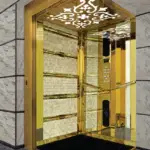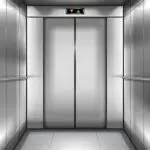
Elevator installation costs in Nigeria in 2026 vary widely depending on the building type, number of floors, elevator technology, customization, and installation complexity. For most residential and commercial projects, prices typically range from ₦25 million to over ₦70 million for a complete installation. (liftelevator.com.ng)
Average Elevator Installation Cost in Nigeria (2026)
| Elevator Type | Estimated Cost Range |
|---|---|
| Home/Residential Elevator | ₦25M – ₦40M |
| Hydraulic Elevator | ₦30M – ₦45M |
| Traction Elevator | ₦32M – ₦50M+ |
| Pneumatic/Vacuum Elevator | ₦25M – ₦55M |
| Commercial Passenger Elevator | ₦35M – ₦70M+ |
| Freight/Industrial Elevator | ₦40M – ₦80M+ |
| Panoramic Glass Elevator | ₦45M – ₦90M+ |
These figures usually include the elevator unit, installation, basic engineering work, and standard safety features. Premium finishes, imported systems, and structural modifications can increase costs significantly. (liftelevator.com.ng)
What Determines Elevator Installation Cost?
Several major factors influence the final project cost in Nigeria.
1. Elevator Type
Different elevator systems come with different price points and maintenance requirements.
- Hydraulic elevators are popular for low-rise buildings because they are reliable and smooth.
- Traction elevators are faster and better for taller commercial buildings.
- Machine Room-Less (MRL) elevators save space and reduce construction needs.
- Pneumatic elevators are ideal for luxury homes and retrofits because they require less structural work. (Elevator Blueprint)
Common Elevator Types
Hydraulic Elevators


Traction & MRL Elevators


Pneumatic/Vacuum Elevators


2. Number of Floors (Stops)
The more floors an elevator serves, the more expensive the installation becomes.
Typical pricing example for residential elevators:
| Floors Served | Typical Cost |
|---|---|
| 2 Floors | ₦25M – ₦30M |
| 3 Floors | ₦30M – ₦40M |
| 4 Floors | ₦40M – ₦55M+ |
More stops require:
- Additional doors
- More complex control systems
- Larger shafts
- Increased power requirements (PE Lifts Nigeria)
3. Building Structure
Installing an elevator in a new building is usually cheaper than retrofitting one into an existing structure.
New Construction
- Easier shaft planning
- Lower engineering cost
- Faster installation
Existing Buildings
- May require demolition or reinforcement
- Extra structural work can add ₦3M – ₦7M+
- Installation timeline may increase (PE Lifts Nigeria)
4. Location in Nigeria
Installation costs also vary by city.
| Location | Estimated Extra Cost |
|---|---|
| Lagos Island | +15% to 20% |
| Lagos Mainland | +5% to 10% |
| Abuja High-End Areas | +10% to 15% |
| Port Harcourt | +8% to 12% |
| Ibadan / Kano / Enugu | Lower average premiums |
Factors affecting regional pricing include:
- Transportation logistics
- Labor rates
- Building regulations
- Site accessibility (PE Lifts Nigeria)
5. Imported vs Locally Assembled Elevators
Imported elevators from Europe, the U.S., or China often cost more due to:
- Exchange rates
- Import duties
- Shipping charges
- Longer parts replacement timelines
Locally assembled systems may reduce costs by several million naira while offering faster maintenance support. (PE Lifts Nigeria)
Additional Costs to Consider
Beyond installation, property owners should budget for:
| Extra Expense | Estimated Cost |
|---|---|
| Building Permits | ₦200K – ₦350K |
| SONCAP Certification | ₦150K – ₦300K |
| Annual Maintenance | ₦500K – ₦3M+ |
| Backup Power/Inverter Integration | ₦1M – ₦5M+ |
| Structural Reinforcement | ₦3M – ₦7M+ |
Residential vs Commercial Elevator Costs
| Feature | Residential | Commercial |
|---|---|---|
| Capacity | Smaller | Larger |
| Speed | Moderate | Higher |
| Usage Frequency | Low–Medium | High |
| Safety Requirements | Standard | Advanced |
| Average Cost | ₦25M – ₦40M | ₦35M – ₦70M+ |
Commercial elevators typically cost more because they handle higher traffic, stricter safety standards, and heavier loads. (liftelevator.com.ng)
How to Reduce Elevator Installation Costs
Here are practical ways to reduce costs without compromising safety:
- Plan elevator shafts during building design
- Choose Machine Room-Less (MRL) systems
- Avoid excessive cabin customization
- Compare multiple supplier quotations
- Use locally supported brands
- Install energy-efficient systems to reduce long-term expenses
Is Installing an Elevator Worth It?
In Nigeria’s growing real estate market, elevators can:
- Increase property value
- Improve accessibility
- Enhance luxury appeal
- Support aging residents
- Improve commercial building efficiency
For hotels, offices, hospitals, and luxury apartments, elevators are increasingly becoming essential rather than optional.
In 2026, elevator installation in Nigeria is a major investment that typically starts around ₦25 million for basic residential systems and can exceed ₦70 million for advanced commercial projects. The final cost depends on elevator type, floors served, building structure, and customization needs.
Before starting your project:
- Request a professional site inspection
- Compare at least 3 quotations
- Verify maintenance support availability
- Confirm regulatory compliance and warranty coverage
A properly installed elevator can deliver long-term convenience, safety, and property value for decades.